

How RBI Regulates Forex Transactions in India
Foreign exchange transactions play a vital role in international travel, overseas education, imports, exports, and global investments and many individuals relay on trusted forex exchange services in India for these needs. These transactions are strictly monitored to protect the country’s financial stability. The Reserve Bank of India (RBI) acts as the primary authority responsible for regulating foreign exchange activities.
This blog explains how RBI controls, monitors, and regulates forex transactions in India and what individuals and businesses must know before dealing in foreign currency.
What Is a Forex Transaction?
A forex transaction refers to the exchange of Indian Rupees (INR) with foreign currencies such as USD, EUR, GBP, or AUD. These transactions are commonly done for purposes like:
- International travel
- Studying abroad
- Medical treatment overseas
- Import and export payments
- Foreign investments
Since foreign exchange directly affects the country’s economy, such transactions cannot be carried out freely without regulation.
RBI’s Authority Over Forex in India
The Reserve Bank of India regulates all foreign exchange dealings under the Foreign Exchange Management Act (FEMA), 1999. FEMA provides the legal framework that allows RBI to control how foreign currency enters and exits the country.
Under FEMA, RBI has the power to:
- Define permitted and prohibited forex activities
- Set limits for foreign remittances
- Authorize banks and money changers
- Monitor and audit forex transactions
This ensures that foreign exchange is used only for legitimate purposes.
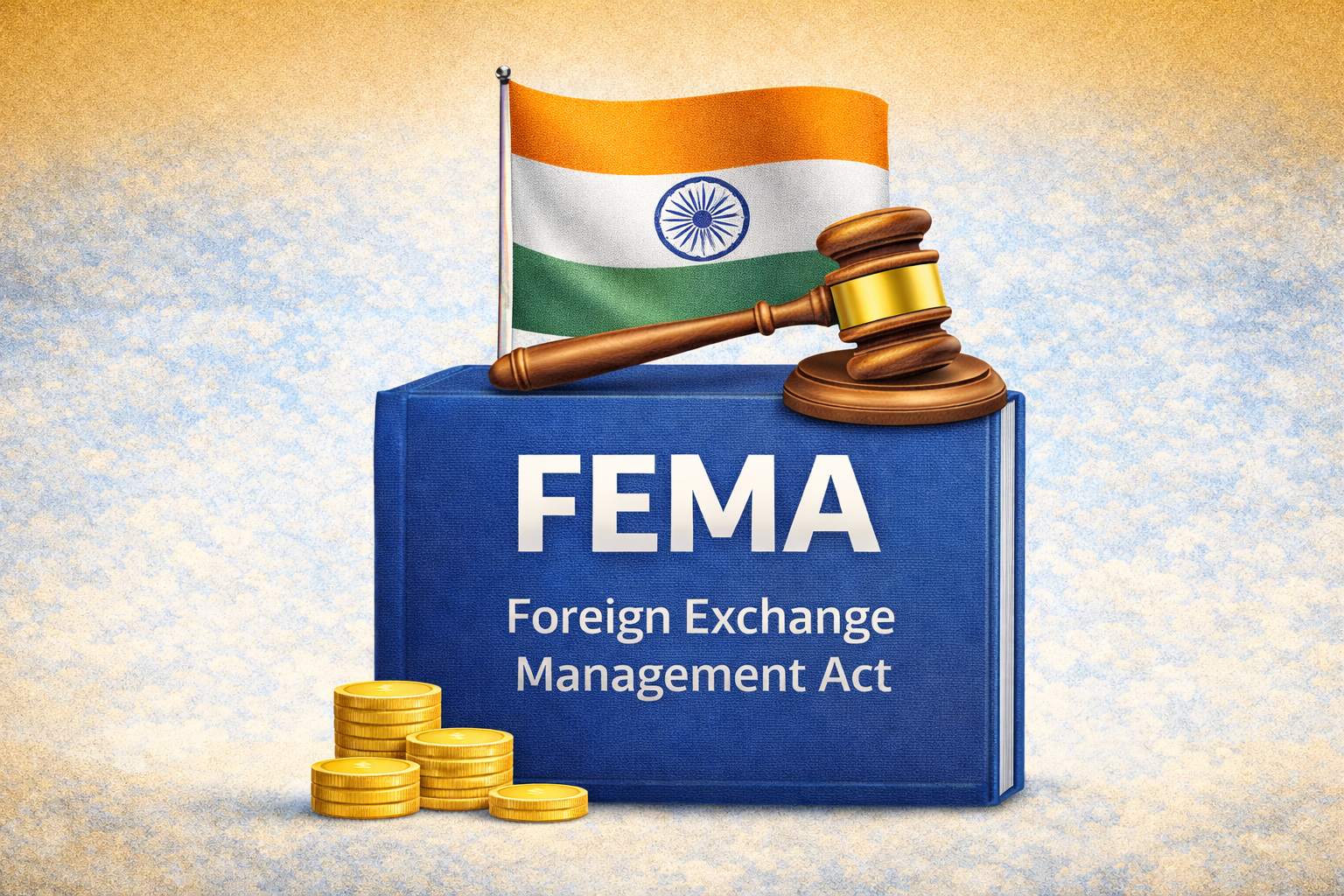
Role of FEMA in Forex Regulation
FEMA was introduced to replace earlier restrictive laws and to simplify foreign exchange management. The primary objective of FEMA is not punishment but regulation and compliance.
Key functions of FEMA include:
- Allowing only approved forex transactions
- Preventing illegal transfer of funds
- Ensuring transparency in international payments
- Supporting smooth foreign trade and payments
Any forex activity not permitted under FEMA is considered a violation.
Permitted Forex Transactions in India
RBI allows foreign exchange transactions for specific purposes, which can be legally carried out through authorized forex dealers and money changers.
Some commonly permitted transactions include:
Personal Forex Transactions
- Foreign currency for overseas travel
- Education fees paid to foreign institutions
- Medical treatment abroad
- Maintenance of close relatives outside India
Business & Commercial Transactions
- Import and export payments
- Foreign investments under approved limits
- International service payments
All such transactions must be processed only through RBI-authorized dealers.
Restricted and Prohibited Forex Activities
While RBI allows many legitimate forex transactions, certain activities are restricted or prohibited, such as:
- Trading forex through unauthorized international platforms
- Sending money abroad for speculative or gambling purposes
- Using unofficial apps or agents for currency exchange
- Funding overseas trading accounts through credit cards or UPI
Engaging in such activities can attract penalties under FEMA.
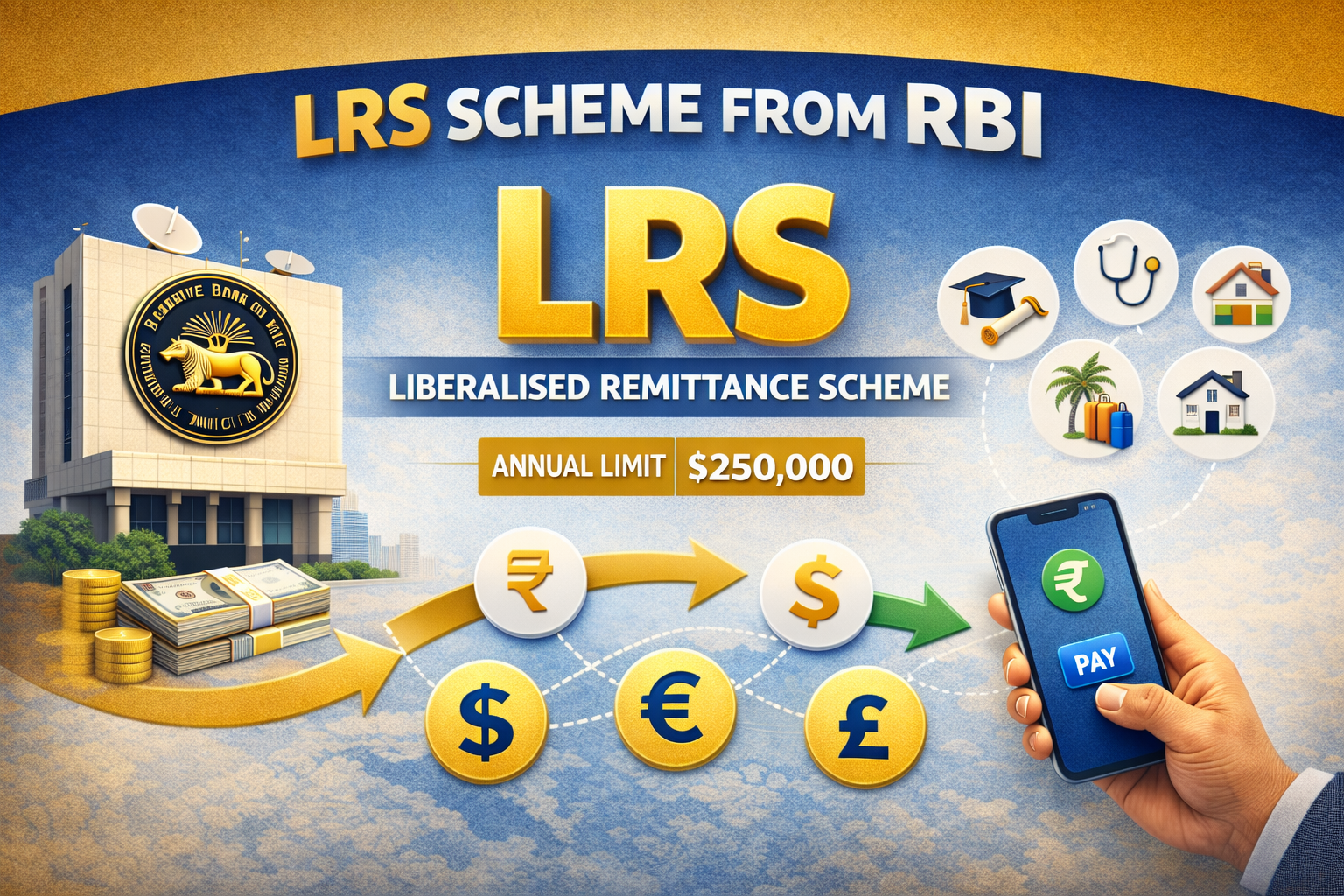
Liberalised Remittance Scheme (LRS)
To simplify outward remittances, RBI introduced the Liberalised Remittance Scheme (LRS), allowing resident Indians to send money abroad for approved purposes within specified limits.
Key features of LRS:
- Applicable to individuals only
- Covers travel, education, gifts, investments, and medical expenses
- Requires PAN and declaration of purpose
- Cannot be used for prohibited forex trading activities
LRS helps individuals legally manage their international payments.
Authorized Dealers and Money Changers
RBI does not allow everyone to deal in foreign exchange. Only entities licensed by RBI can conduct forex transactions. These include:
- Authorized Dealer (AD) Banks
- Licensed Money Changers
- Approved Forex Service Providers
Customers must always verify that they are transacting with an RBI-authorized entity, such as licensed forex exchange providers, to avoid legal issues.
Compliance, Documentation, and Reporting
To ensure transparency, RBI mandates strict documentation for forex transactions to ensure transparency and regulatory compliance, as outlined in official RBI forex guidelines.
Common requirements include:
- Valid identity and address proof
- PAN card
- Passport (for travel-related forex)
- Purpose declaration
Authorized dealers must also report transactions to RBI, allowing the central bank to track foreign exchange flow in the economy.
Penalties for Violating RBI Forex Rules
Non-compliance with RBI or FEMA regulations can result in serious consequences, such as:
- Monetary penalties
- Confiscation of funds
- Legal notices and investigations
- Restrictions on future forex transactions
Even unintentional violations can lead to penalties, making compliance extremely important.
Why RBI’s Forex Regulation Is Important
RBI’s control over forex transactions helps to:
- Maintain currency stability
- Prevent money laundering and illegal fund movement
- Protect consumers from fraud
- Strengthen India’s foreign exchange reserves
Without proper regulation, uncontrolled forex activity could harm the economy.
Conclusion
The Reserve Bank of India plays a crucial role in regulating foreign exchange transactions to ensure economic stability and legal compliance. Whether you are a traveler, student, or business owner, understanding RBI’s forex rules helps you avoid risks and transact confidently.
Always ensure that your forex transactions are done through authorised channels, within permitted limits, and with proper documentation by choosing reliable foreign exchange services.


